KBB magazine’s recent webinar “The Essential Role of Lighting in Residential Design” provided insight on…
Read More →
KBB magazine’s recent webinar “The Essential Role of Lighting in Residential Design” provided insight on…
Read More →
A long-time High Point Market exhibitor, Ngala Trading will open a Dallas Market Center showroom…
Read More →
New exclusive Consumer Insights Now research shows this is a need-driven generation that likes to…
Read More →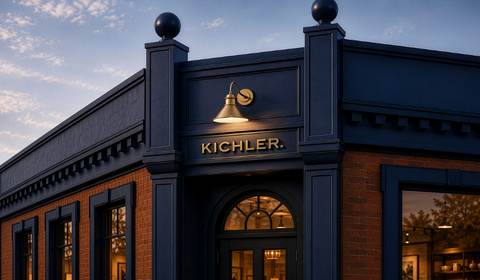
The company says its “residentially inspired” destination will offer an immersive way to experience Kichler.…
Read More →After years of mostly clean-lined, neutral interiors, could Americans be ready to embrace the lush, layered, colorful look of maximalism?
By Julie A. Palm
After years of mostly clean-lined, neutral interiors could Americans be ready to embrace the layered, colorful look of maximalism?
There’s always been a segment of Americans who favor the style and there are high-end interior designers, like Kelly Wearstler and Patrick Mele, who’ve built their reputations on their maximalist designs.
But overall, we’ve been in a long era of minimalist-leaning interior design, whether that has manifested as spare Mid-Century Modern, casual California coastal, pared-back Modern Farmhouse or something else.
Last fall, Consumer Insights Now, which provides biannual research on consumers’ home furnishings plans and buying preferences on behalf of Lighting News Now and its sister publications, asked consumers about their style preferences. Nearly one-third (29%) of respondents said their home is casual. Another 20% said their style preference is modern, and 17% defined their style as tradition. So, maximalism isn’t showing up strong in consumer sentiment yet. (The latest round of CIN consumer research will be released starting March 23.)
Yet we’ve been seeing early signs of a resurgence of maximalist vibes in the past couple of years, and something recently stood out to me: Three out of five of this year’s High Point Market Style Spotters, who scour markets for standout products and trends, are exuberant maximalists.
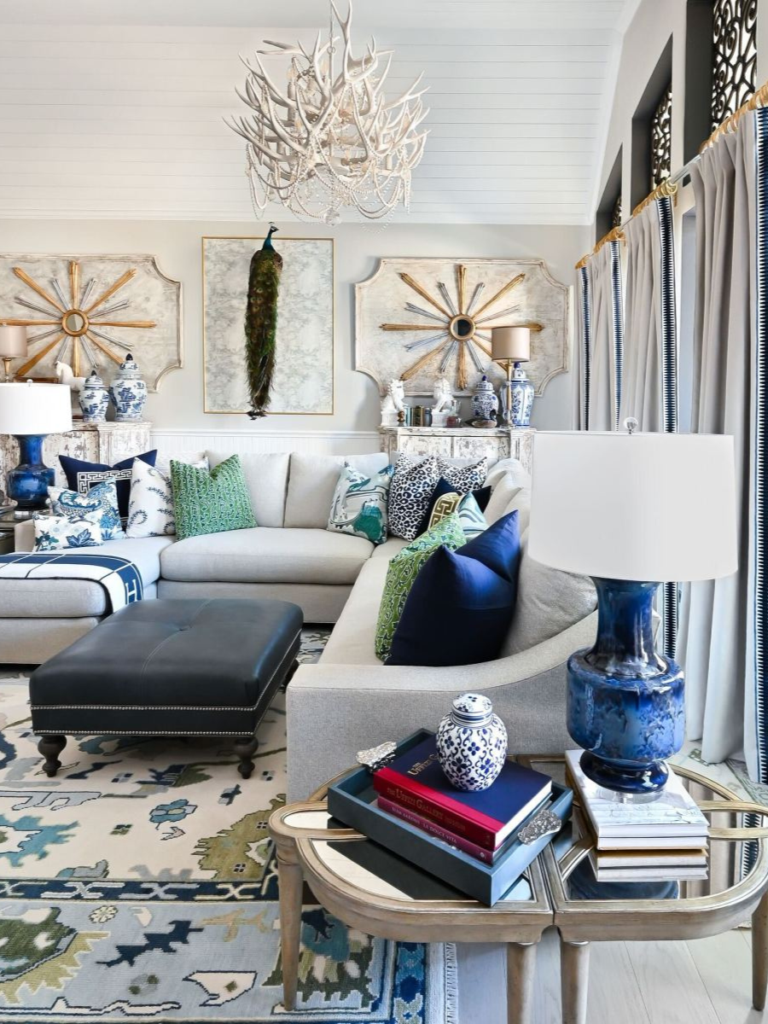
Juliana Ewer, owner and lead designer of J Squared Interior Designs based in the Houston metro area, recently told me “I’m a maximalist. … I love layered design, local artists and having a story behind the curated pieces in the home.”
Amber Guyton, founder of Atlanta-based Blessed Little Bungalow, says her design philosophy “celebrates bold color, layered textures, personal storytelling and the beauty of Black culture.” She calls it “soulful maximalism.”
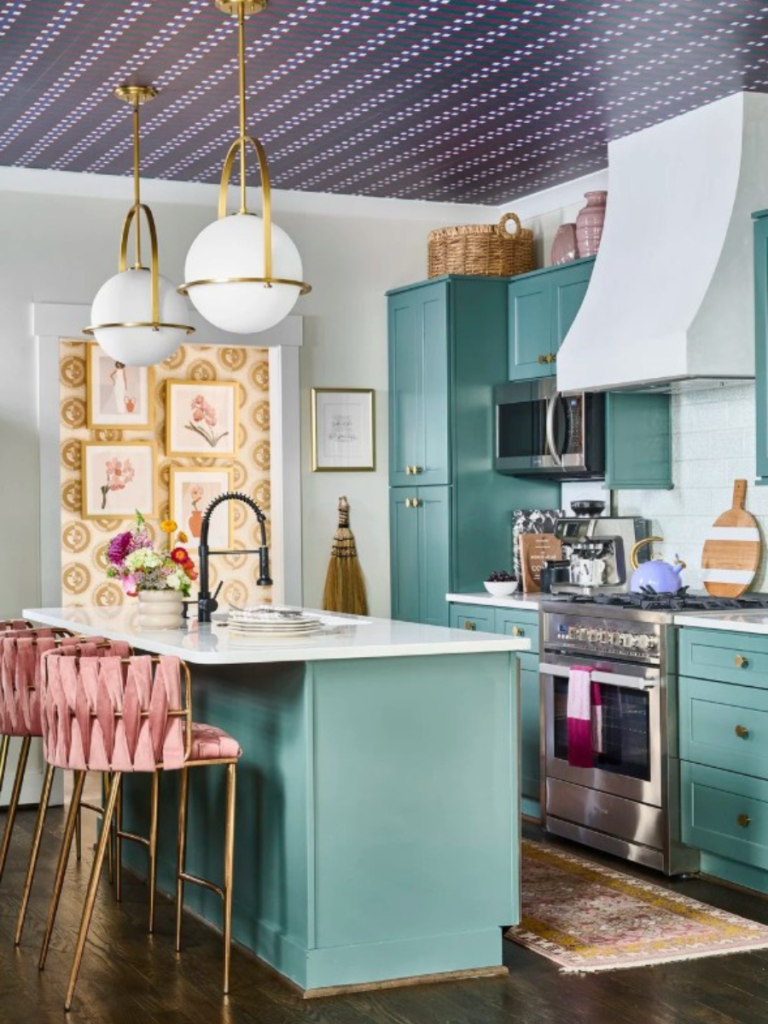
And the third maximalist in the group, Isabel Ladd, founder of Isabel Ladd Interiors, calls herself a “ride-or-die maximalist” who distills her philosophy into pithy phrases like “Mix, don’t match.”
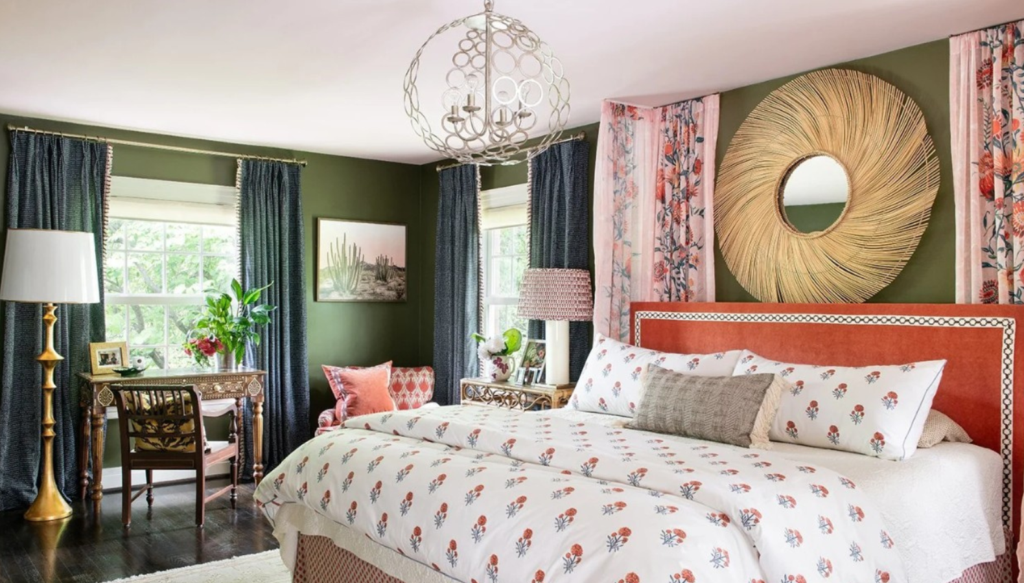
The spotters’ take on maximalism highlights some of what makes the style engaging. In maximalism, there’s a strong element of storytelling, allowing people to express their personalities and showcase treasured items accumulated through travels, from family or over a lifetime.
With the exuberant mixing of colors, textures and patterns, maximalism can be sophisticated or playful — or often both, at the same time. It’s a design style that encourages a process of discovery; it’s hard to take in all the pieces in a maximalist room in one glance.
In maximalist designs, statement lighting pieces are important — so are layers of lighting that highlight specific elements of the room. Maximalist designs also invite using fixtures and lamps as pieces of sculptural art and incorporating colorful, patterned shades.
Maximalism will never be for everyone, and I wonder how younger generations, including millennials and Gen Z, might take to it. Those generations, thus far, have had less acquisitive spirits than say, Baby Boomers. There have been countless articles written about how that older generation can’t get their kids and grandkids to accept hand-me-down household items, even family heirlooms. Maximalism requires a love of things.
But younger Americans may appreciate the storytelling aspects of maximalism that imbue items with meaning and encourage careful collecting. They may also be drawn to maximalism’s affinity for vintage pieces, an aspect that fits with the idea of durable sustainability.
As we head into High Point Market next month, keep an eye on maximalist trends. Lighting showrooms should be able to get behind any design trend with an ethos of, as designer Isabel Ladd describes it, “More is more; less is a bore.”
Related articles by Julie A. Palm
Behind the Design: Varaluz’s Ron Henderson
Where Style & Sustainability Meet
Designer Debrief: Nina Lichtenstein
Which Metals Count Will Count?