The domestic manufacturer debuted the initial lighting launch with interior designer Christopher Todd during High…
Read More →
The domestic manufacturer debuted the initial lighting launch with interior designer Christopher Todd during High…
Read More →
Interior and product designer Michael Wolk reconnects with Fine Art Handcrafted Lighting for Lomond, a…
Read More →
More than 60 lighting designs and 45 pieces of art will make their debut at…
Read More →Style Editor Julie A. Palm talks to the New York-based interior designer about how lighting plays in her nature-inspired generational designs, her favorite vendors, top lighting trends and what makes an outstanding lighting showroom.
By Julie A. Palm
“Lighting should feel integrated, not applied,” says Nina Lichtenstein, founder and principal home designer at Custom Home Design by Nina Lichtenstein, a firm based in Thornwood, New York.
“Lighting is never an afterthought in my process. In many cases, it is integrated into the earliest concept sketches because placement, scale and visual rhythm affect everything from millwork design to ceiling details,” she notes.
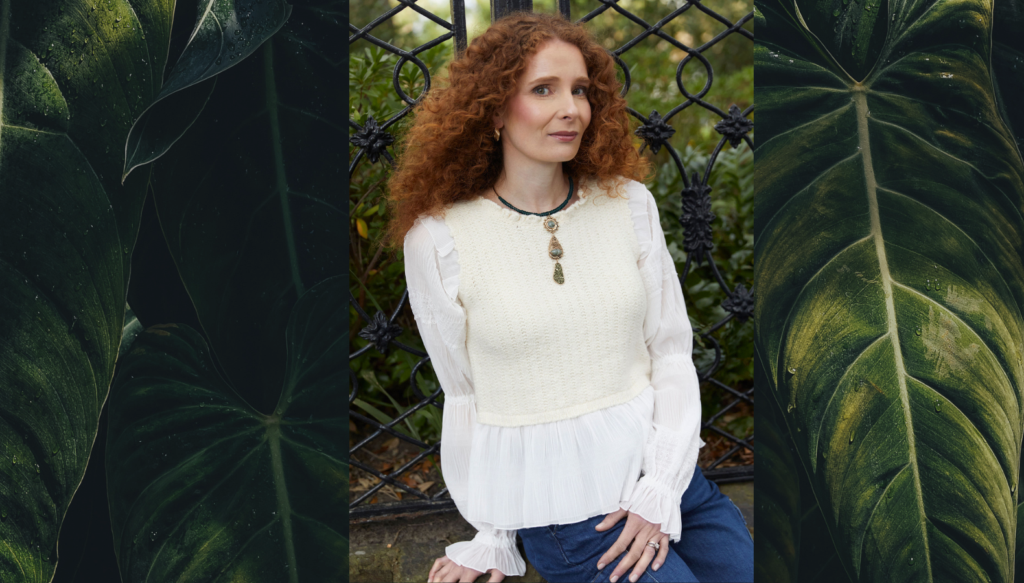
As part of a new regular check-in with interior designers around the country, I talked to Lichtenstein about how she approaches lighting in her projects, her favorite lighting vendors and what makes an outstanding lighting showroom.
Lichtenstein, who is certified by Science in Design, specializes in complex construction, including renovations and new builds, and is focused on human-centered, nature-inspired design and generational homes created with long-term needs in mind. “I advance health-centered design through the built environment, rooted in neuroscience and biophilia,” she explains. “So, I’m shaping spaces that actively support the nervous system, cognition and emotional well-being.”
Where she shops
Given how Lichtenstein approaches design, it’s not surprising that she gravitates toward “lighting vendors who understand that fixtures are not just functional objects, but emotional instruments within a space.” She favors brands that incorporate nature motifs, organic forms and mixed textures.
“At High Point Market, one of my favorite vendors is Beacon Custom Lighting,” she says, noting that President Frank Leyon “brings a deeply personal relationship to nature into his work. He has embedded ferns from his own backyard into glass pendants, created fixtures that resemble raindrops in motion and consistently prioritizes sustainable design.”
Other favorites: Crystorama and Phillips Collection, which Lichtenstein appreciates for their affiliation with Science in Design and their commitment to well-being through good design.
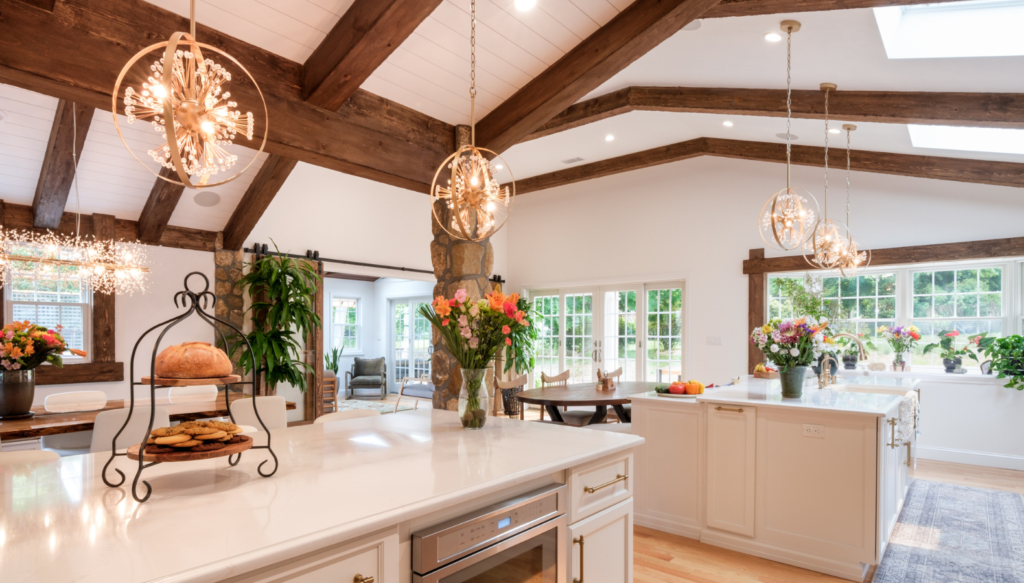
“Beyond that, I appreciate brands such as Currey & Company, Visual Comfort, Lumens and Hudson Valley Lighting Group for their material richness and thoughtful proportions. Cedar & Moss, Lulu and Georgia, and Pottery Barn often offer beautifully textured pieces that work well within a layered, nature-inspired interior. I also regularly explore Etsy for artisan lighting and one-of-a-kind finds that add authenticity and individuality to a space.”
That long list of favored vendors is in keeping with Lichtenstein’s goal to not rely on a single lighting source for project expediency.
“Instead, I select fixtures that speak specifically to each space’s material palette, scale and purpose,” she says. “Once the right piece is identified, there is a clear resonance, and it feels inevitable rather than decorative.”
When working with lighting showrooms, Lichtenstein chooses those that “understand that designers are simultaneously balancing aesthetics, lighting levels, fixture types, technical requirements and budget.”
The best showrooms, she says, combine product expertise with a spirit of partnership by providing “accurate specifications, responsive communication and deep product knowledge, especially around wattage, beam spread, color temperature, dimming compatibility and installation requirements.” They also help anticipate potential problems and understand the importance of timelines and deadlines.
Her process
While Lichtenstein likes to incorporate lighting fixtures early in the design process, she notes that in remodels, “I sometimes allow construction to unfold before finalizing certain selections, especially when unforeseen conditions may impact ceiling height or junction box locations.”
“Every object in my initial sketches has a domino effect on the next,” she continues. “Change a soffit height or shift a beam, and the lighting must recalibrate accordingly. In some cases, I have specified and purchased fixtures one to two years in advance of project completion when the architectural framework is clear, with those pieces ultimately installed exactly as envisioned. That level of foresight is intentional.”
One exception: Lichtenstein often adds table and floor lamps later in the process, once the furniture plan is finalized.
Trend watching
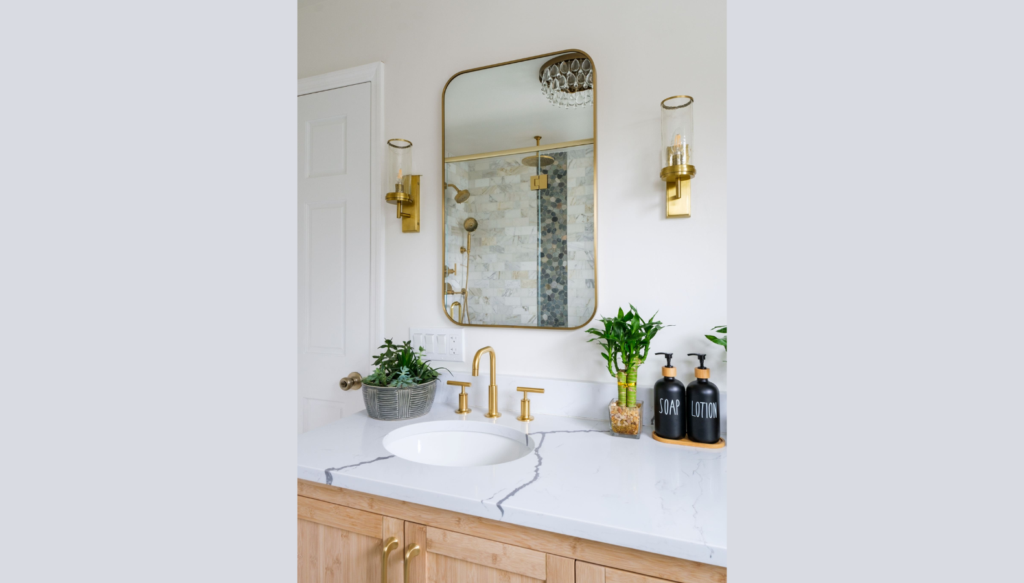
Perhaps because she’s already on the lookout for it, Lichtenstein sees a trend toward nature-inspired forms in lighting, particularly “fixtures that reference leaves, vines, raindrops, snowflake-like crystalline structures, stars, flowers and candle-like silhouettes.”
What’s important, she says, is that “these elements are not merely decorative; they subtly mirror patterns and archetypes our brains recognize from the natural world.”
She also sees more mixed materials, “including twine paired with metal, leather accents, hand-blown glass, raw stone and woven fibers.” The combinations add not just contrast, variation and personality, they also “reinforce sensory engagement,” she says.
“When layered intentionally, these elements can blur the boundary between indoors and out, reinforcing our innate connection to the natural world and fostering a sense of openness, continuity and physiological ease within the home,” she says. “Trends are most meaningful when they align with how humans biologically respond to their environment.”
Note to readers: I also want to do regular check-ins with lighting showrooms around the country about trends they are seeing in their markets. If you’d like to be featured, I’d love to hear from you. Email me at Julie@homenewsnow.com
Related articles