KBB magazine’s recent webinar “The Essential Role of Lighting in Residential Design” provided insight on…
Read More →
KBB magazine’s recent webinar “The Essential Role of Lighting in Residential Design” provided insight on…
Read More →
A long-time High Point Market exhibitor, Ngala Trading will open a Dallas Market Center showroom…
Read More →
New exclusive Consumer Insights Now research shows this is a need-driven generation that likes to…
Read More →
The company says its “residentially inspired” destination will offer an immersive way to experience Kichler.…
Read More →A look at interior design trends that will shape tomorrow’s homes — and influence people’s lighting choices in the coming year.
By Julie A. Palm
Which design trends will shape home interiors and influence people’s lighting choices in the year to come? Think personality-driven spaces that exude character and charm, plus grounding neutral colors and warm woods. We’ll also see continuing adoption of smart technology, but, at the same time, screen-free rooms that allow people to connect with each other instead of devices.
Let’s dive a little deeper into each trend.
1. Prioritizing personalities. This may be my favorite trend: People eschewing cookie-cutter and buy-a-room design in favor of creating spaces that reflect their unique personalities, lifestyles and needs. I was recently in a newly furnished house. The owner is divorced and hers is clearly a fresh-start house, filled with furniture, accessories and lighting all purchased at roughly the same time. It’s a lovely place, but devoid of personality. Without the family heirlooms, treasures picked up while traveling, original art and other such pieces, it could be anyone’s home.
I love the scope of this trend: It can mean painting a room with a bold color, creating a statement flooring pattern or adding sculptural furniture. It can also mean using spaces in ways that make the most sense for people’s lifestyles, whether that’s converting a dining room to a playroom, installing a coffee station in a bedroom to make the morning get-ready rush go more smoothly or adding spa features to a bathroom to create a place for relaxation and renewal.
This trend also encompasses an appreciation for handmade crafts, custom woodwork and original art.
Kelsey Keith, creative director of home furnishings brand collective MillerKnoll, says this trend is part of people’s desire to “make your home your castle.”
“In the pandemic, it was more about shoving a Peloton wherever, now it’s about a dedicated closet, a yoga room. People are really designing for their own idiosyncrasies,” Keith recently told The New York Times.
Lighting showrooms can support this trend by giving consumers the confidence to select lighting that doesn’t just fill a need for illumination, but that allows them to express their personality.
2. Colors getting cozier. Color specialist Pantone set off controversy in the design world when it picked a white as its Color of the Year for 2026. Pantone dressed it up with the wistful, whimsical name Cloud Dancer and talked about the color representing clarity and simplicity, signifying the need for a fresh start, but it was criticized by many as being boring and safe.
At the other end of the 2026 color of the year spectrum is Ikea’s choice of a bouncy light pink called Rebel Pink. Upbeat, but unabashedly pink, it was a rebellious choice indeed.
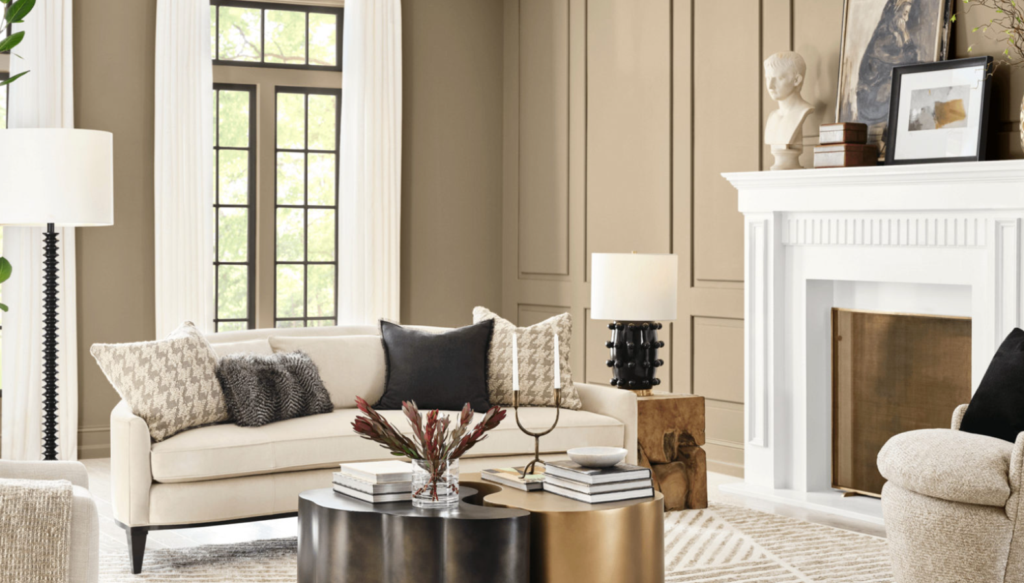
Most other color forecasts from paint and home companies were in step with Pantone’s idea of neutrals dominating interiors in the coming year, but they coalesced around inviting, earthy, traditional shades as their picks. Such colors meet people’s need for comfort, grounding and reassurance during unpredictable, unsettling times.
Think inviting pale yellows, barley-there tans and warm creams like C2 Paint’s Epernay (639), Dutch Boy Paint’s Melodious Ivory (313-2DB) and Sherwin-Williams’ Universal Khaki (SW 6150).
Valspar’s Warm Eucalyptus (8004-28F), Dunn-Edwards’ Midnight Garden (DE5657) and Behr Paint Co.’s Hidden Gem are among the soothing, serene greens that made color of the year lists.
For consumers who prefer deeper, richer hues, forecasters offered Warm Mahogany from Glidden and Silhouette (AF-655), an espresso hue from Benjamin Moore.
Many of these color picks work well with the warmer, medium-toned woods we’re seeing in furniture and cabinetry.
3. Houses getting smarter. People’s comfort with technology continues to drive the integration of smart features – from lighting and sound systems to mattresses – into their homes. The National Kitchen & Bath Association (NKBA | KBIS) says the desire for “WiFi-enabled, mobile-app controlled appliances and lighting” is particularly true for kitchens.

But Houzz notes that while people enjoy tech, they don’t necessarily want to see it. “Lighting and smart systems are (increasingly) embedded directly into millwork and surfaces in the form of concealed cove lighting, illuminated niches, pop-up TVs and hidden charging stations,” the home construction and design platform says. “The result is a calm, uncluttered aesthetic that showcases craftsmanship and spatial flow.”
I don’t know if anyone really needs a smart refrigerator, but smart lighting systems that allow people to schedule and control fixtures and lamps from anywhere is truly helpful — whether you’re focused on home security, easing life for those with disabilities, or just fascinated by creating lighting scenarios perfect for reading or entertaining.
Not surprisingly, NKBA reports that Gen Z is most likely to be interested in smart home features.
4. Going analog as an antidote. I may be going out on a limb here, but I see an oppositional trend to people embracing the ease and functionality of smart technology in the home and that’s screen-free, tech-free spaces to escape the feeling of being constantly connected.
We see the desire for an analog life in other realms: people abandoning their social media scrolls, choosing printed books over e-versions and doing smartphone detoxes. A small,, but notable, number of folks are even forgoing smartphones in favor of “dumb” versions.
Designer, brand consultant and content creator Hans Lorei sees it, too. He recently told Dwell that he notes a growing interest in screen-free rooms. “Analog spaces – dens, libraries, listening rooms, studies, whatever you want to call them – seem to be something everybody wants right now. It’s all about tech-free rooms.”
A friend of mine is representative of the trend. She is an avid (almost addicted) user of ChatGPT and relies on her Amazon Alexa throughout the day to help her with a variety of tasks. When putting away this year’s holiday decorations, she took time to set up an app and QR codes that will allow her to see the contents of storage boxes in her basement without having to rifle through them. In short, my friend is no Luddite.
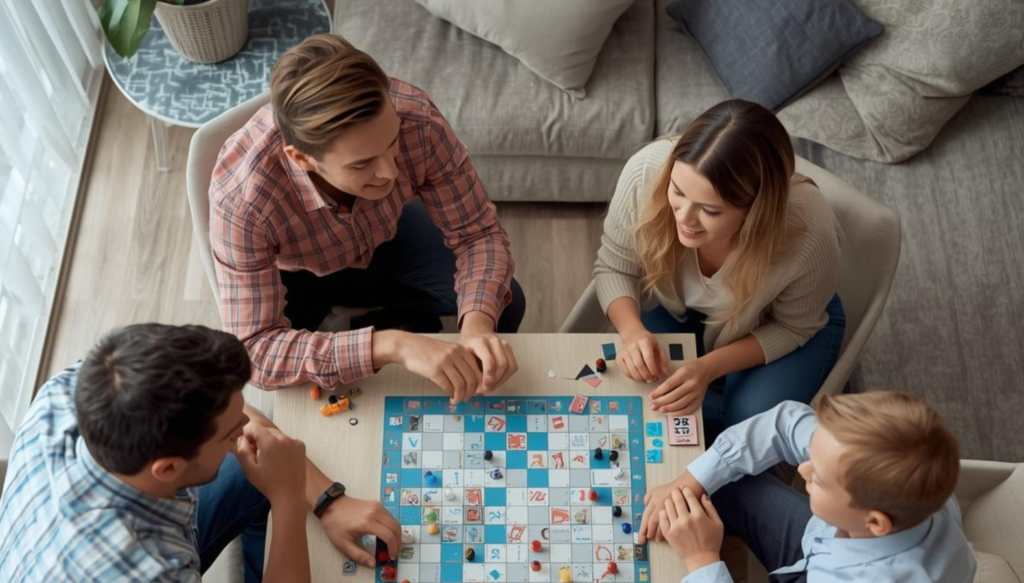
And, yet my recently retired friend is turning what was once her home office into a salon, set up for conversation, doing puzzles and playing board games. There’s nary a technological device in sight.
Next week, we’ll venture outside the home to examine trends in outdoor living spaces that will impact people’s lighting needs and choices.
Related articles
