Surprise! More than half of “mature singles” and “couples” said they prefer to rent —…
Read More →
The founder of Conceptual Lighting believes most people under light or over light their homes…
Read More →
Maxim Group and Kichler are the two lighting brands featured at the reimagined Design Hub…
Read More →
The new interface offers enhanced functionality and more intuitive navigation. Whitsett, N.C.-based furniture, lighting, wall…
Read More →The spring market debuted a lot of luxe looks, but more importantly it was an opportunity for the industry to compare notes on retail conditions and informally discuss where things might be headed.
According to LNN sister publication Home News Now, whose editors attended the post-market High Point Market Authority board meeting, registrations for the April High Point Market were down 1% from last October. However, as is often the case with High Point – whose vast market covers 13 city blocks and 180 buildings – it’s always difficult to visually gauge attendance. In addition, weather conditions historically affect foot traffic to the outlying buildings and there were scattered showers on Saturday afternoon, the opening day of market. Nonetheless, like any trade show, some showrooms and areas were continuously crowded and others were less so.
Now for the second question industry insiders want to know: who came to market? In my opinion, when observing the amount of international visitors, there seemed to be an uptick in the number from Asia and a drop in the level of Europeans — most likely because the popular Italian furniture show in Milan (Salone Internazionale del Mobile) which draws a heavy attendance from Europe, Scandinavia, and the U.K, was running the same week as High Point Market. That said, High Point appeared to draw a significant number of buyers from Latin America as well as Canada.
From interviews I conducted with manufacturers, it appeared that the U.S.-based designers and retailers came from all over the country, including California and the Pacific Northwest — areas that are typically more challenging (i.e. multiple flight connections) for attending a market not located in a major city. Since the West Coast is home to an affluent customer base, this was welcome news for manufacturers.
If we drill down further into the demographics, manufacturers noted that their long-standing and loyal designer customers showed up as usual. Where there seemed to be more of a drop off was among younger designers or those just starting out in their careers. Manufacturers I spoke with attributed this reduction to the rising costs of air travel, hotel rooms, and fuel costs (for those within driving distance). In short, established higher-end design firms are able to weather economic rollercoasters better – many had successfully navigated the fallout from the housing bubble in 2008-2009 plus the disruptions in the supply chain during the pandemic years – than those relatively new to the field.
And, as has been widely discussed by consumer lifestyle experts, it was quite apparent during the recent High Point Market that the higher end to ultra-luxury segments of the business continue to thrive in both the residential and hospitality sectors. There might be adjustments in budgets or materials, but on the whole, the affluent customer is still spending (for stats on which areas of home furnishings high-end consumers are spending on and how they feel about home design, click on our exclusive Consumer Insights Now series here).
A post-High Point Market report released on April 29 by Zelman Research found that show traffic “was lower than both last fall and a year ago, and overall sentiment deteriorated. Most reported an impact on orders from the war in Iran, though the magnitude was uneven. … The higher price points were less impacted. Earlier in the year, there was hope that the category had bottomed out in 2025, but most industry participants are concerned that still-elevated interest rates, higher oil prices and continued inflation will lead to another year of volume declines in 2026.”
Zelman’s findings mirror what I heard from manufacturers at market. At the October High Point Market, the overall mood was that 2026 was going to be a better year, financially, for manufacturers, designers, and retailers as many assumed that interest rates would be reduced and the housing market would pick up. (To request or purchase access to Zelman’s High Point Furniture Show report, click here.)
Similarly, the mood at the January 2026 Lightovation show was of cautious optimism. That was, of course, before the conflict in Iran began on February 28.
The strength of the higher end of the market aside, manufacturers exhibiting at the High Point Market seemed resigned to the idea that 2026 will be similar to 2025 as far as sales expectations. Interest rates have not budged enough to either entice consumers to purchase a home or refinance, therefore the housing market remains sluggish. Rising fuel costs will undoubtedly be passed along, but manufacturers I spoke with have not committed to a date when an increase would be implemented or whether they would absorb the cost temporarily.
For now, manufacturers, retailers, and designers say they are prepared for a repeat of last year, with many telling me that they were able to be profitable in 2025 versus breaking even.
At any rate, those who attended High Point Market were enthusiastic about the introductions that debuted and are ready to purchase new items for their stores and clients.
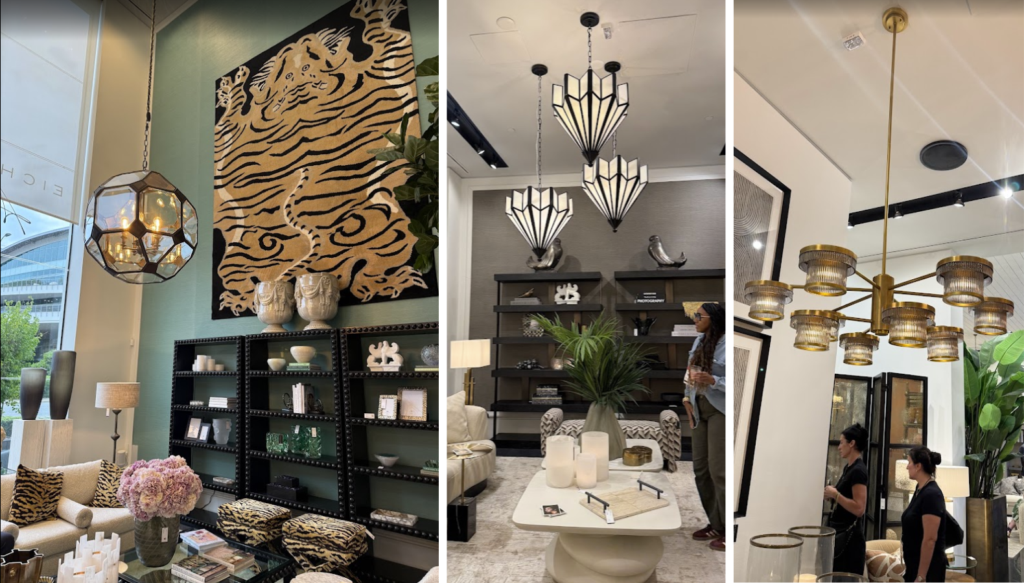
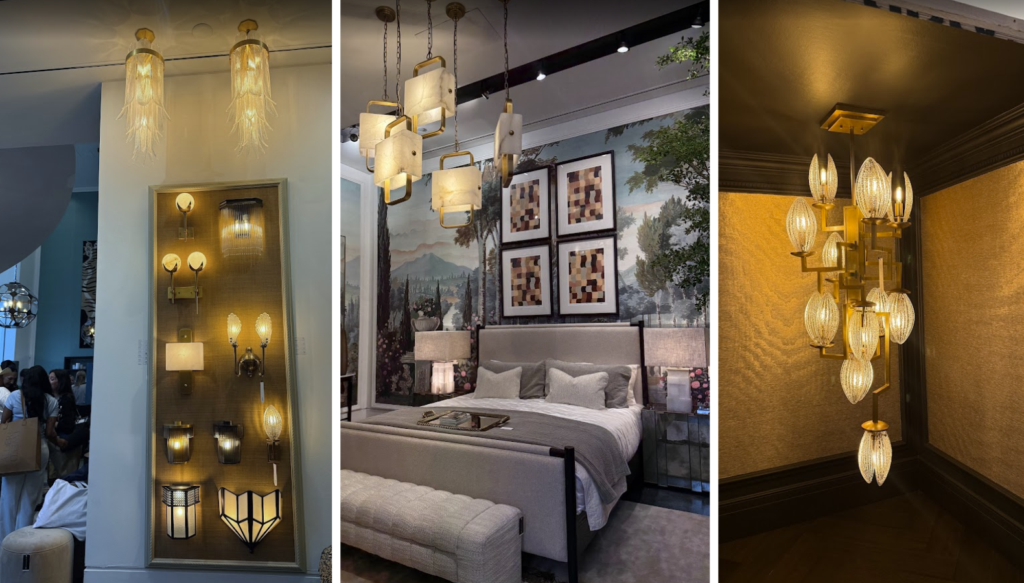
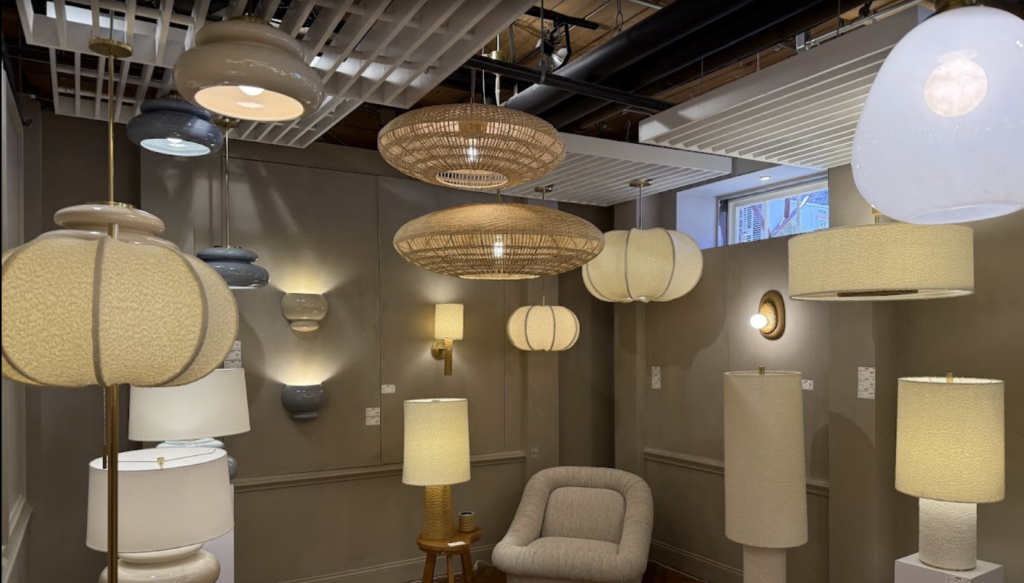
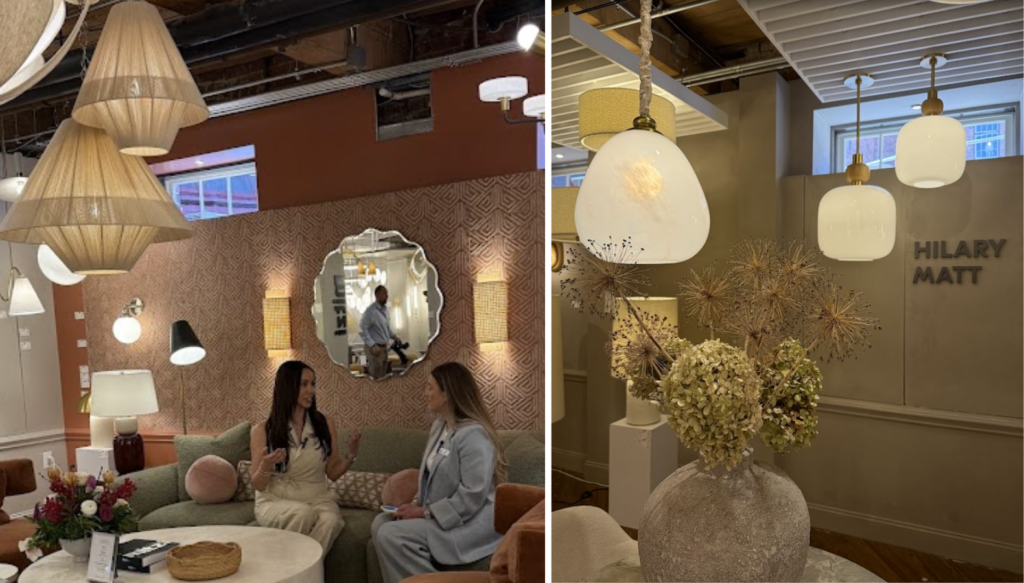
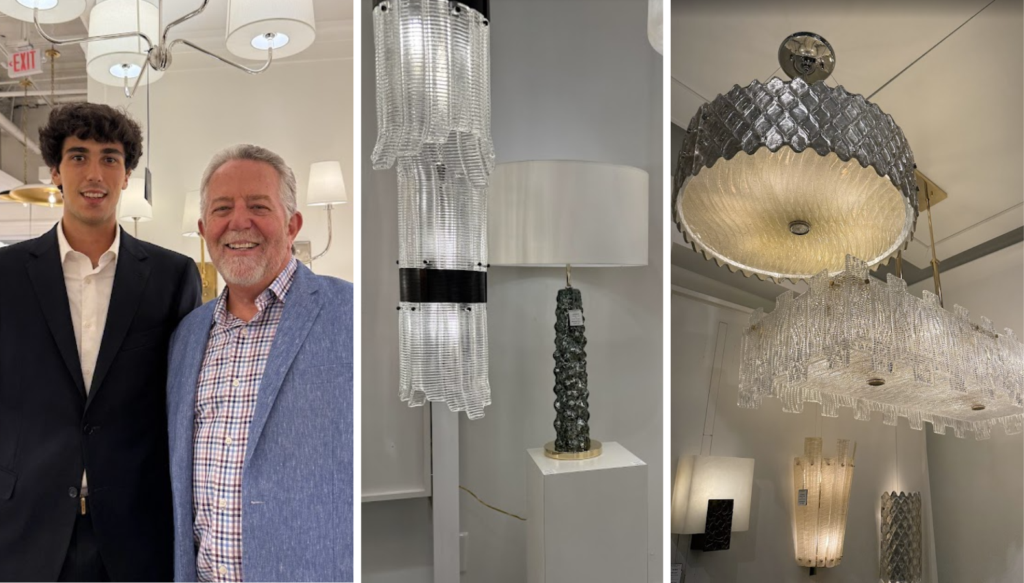
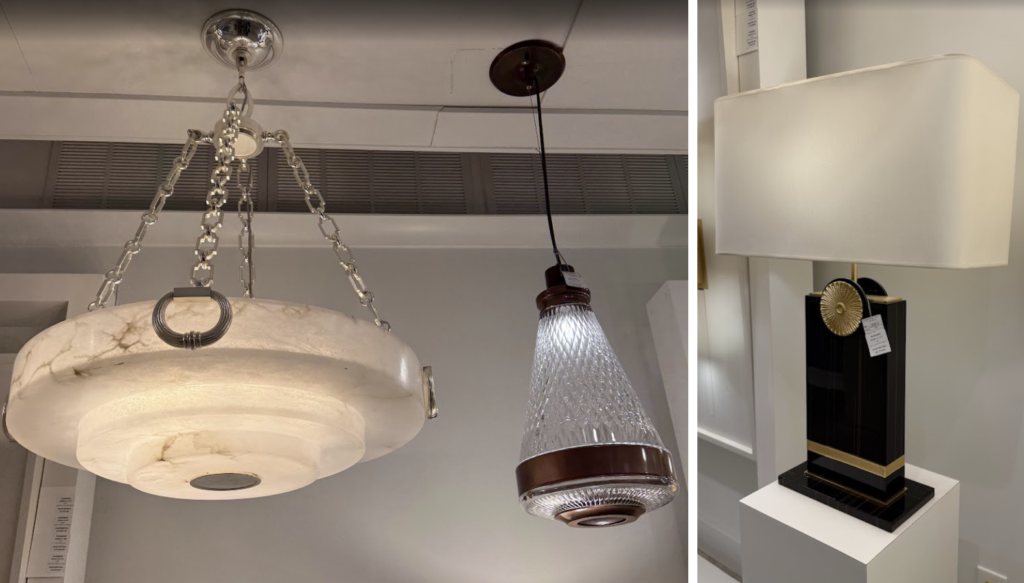
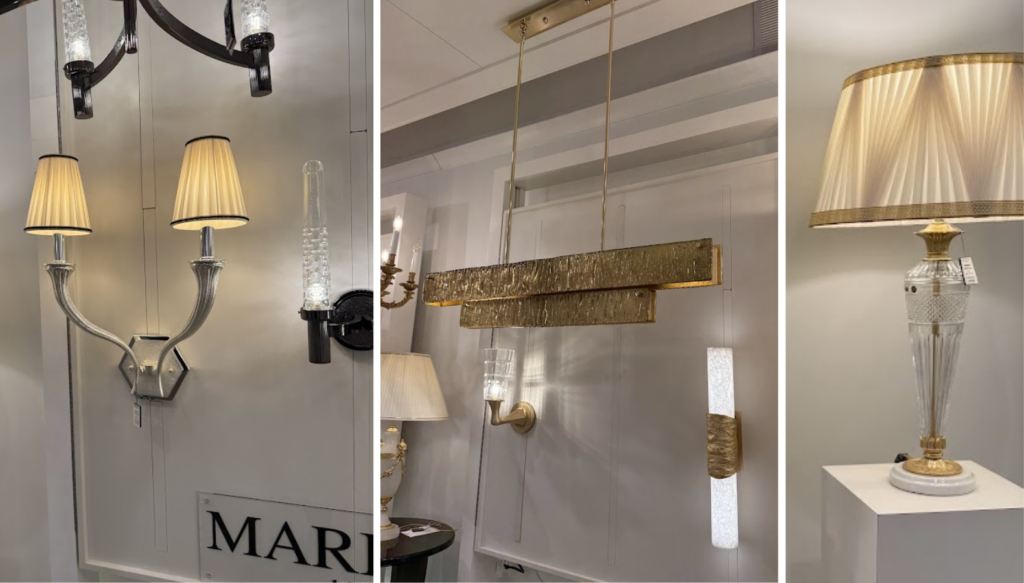
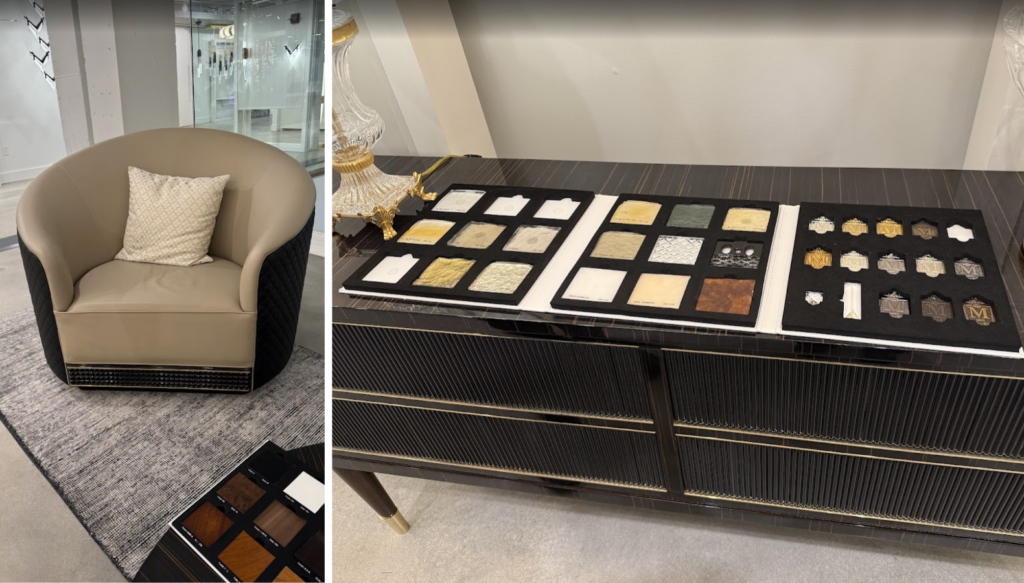
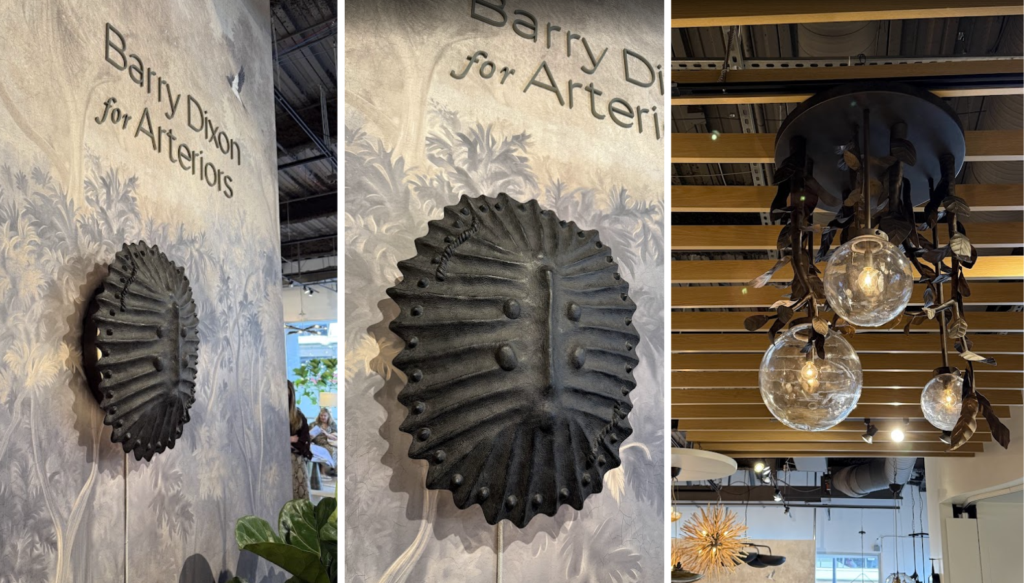
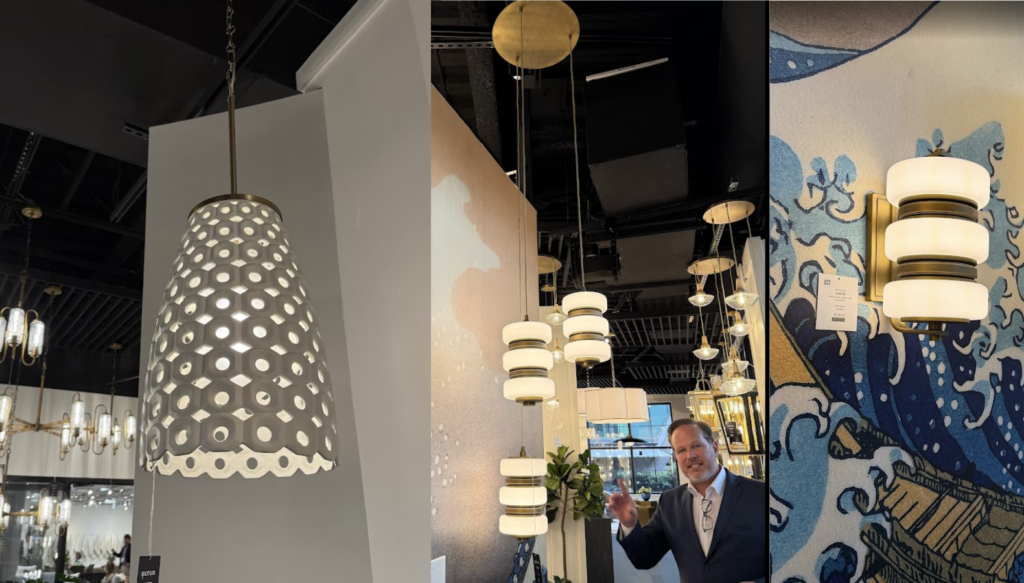
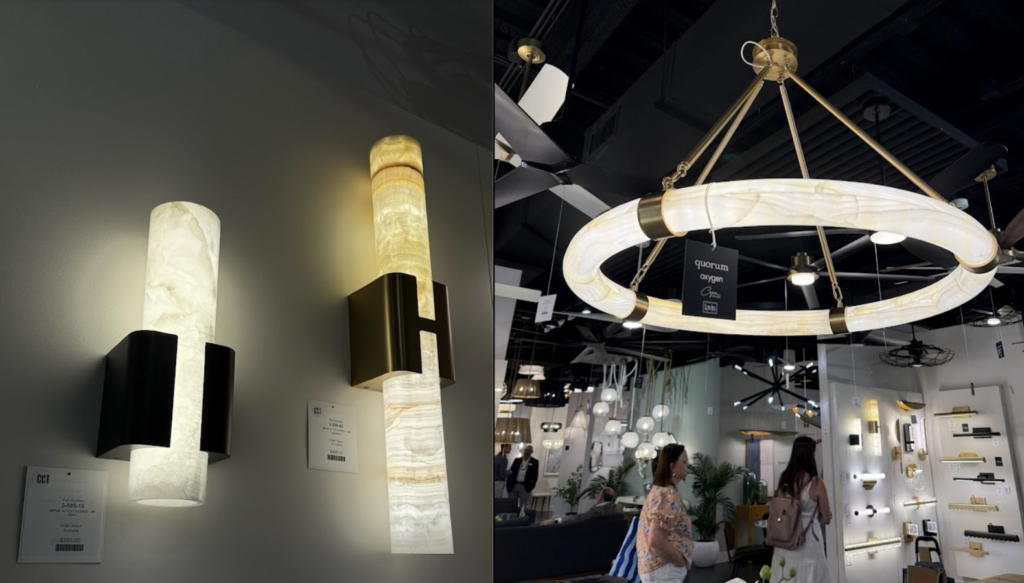
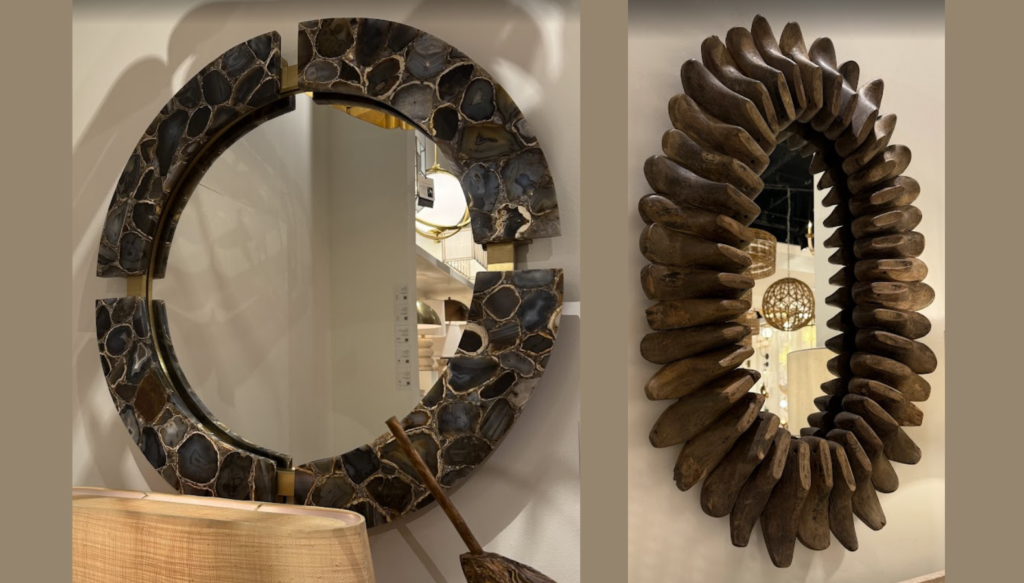
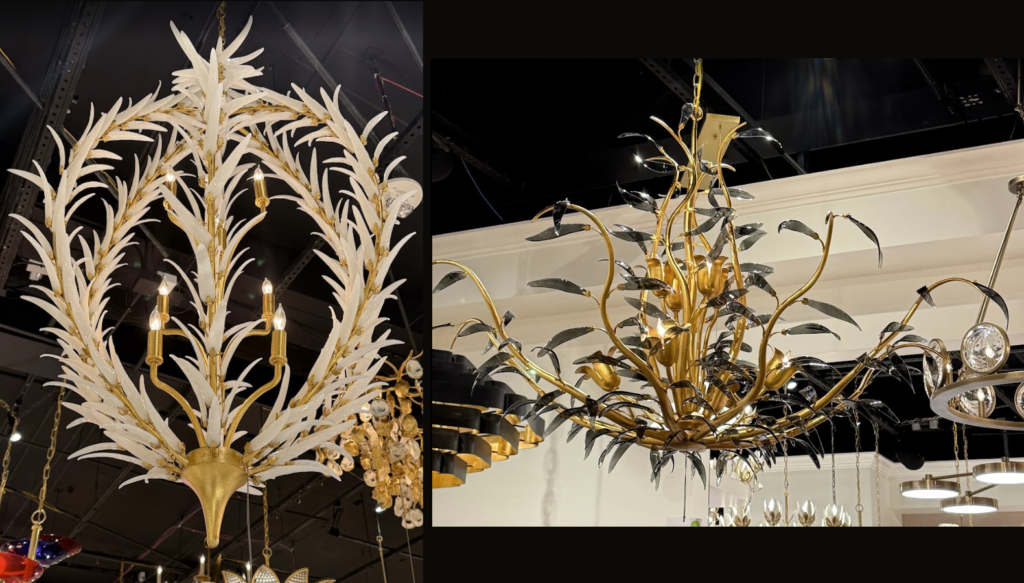
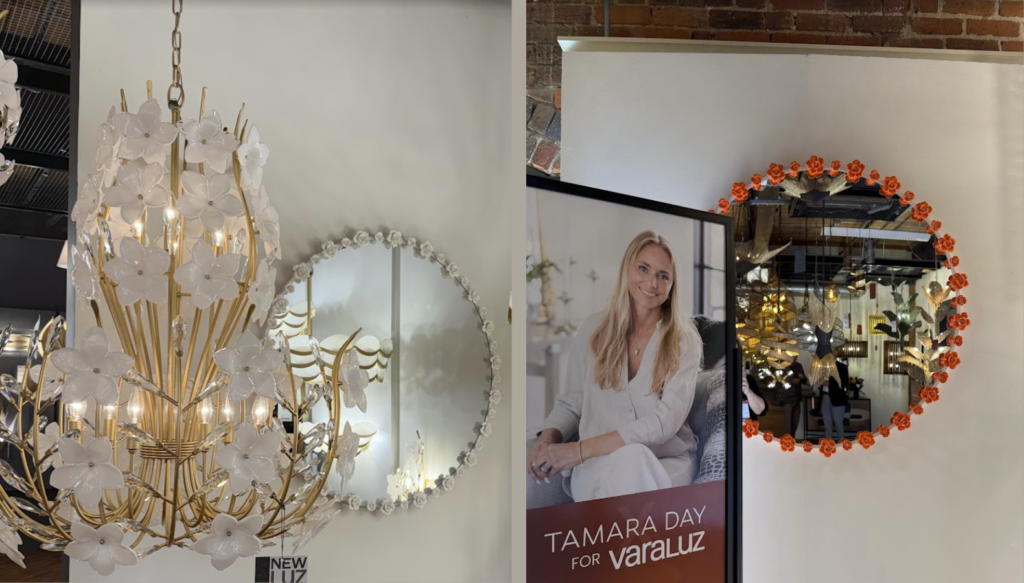
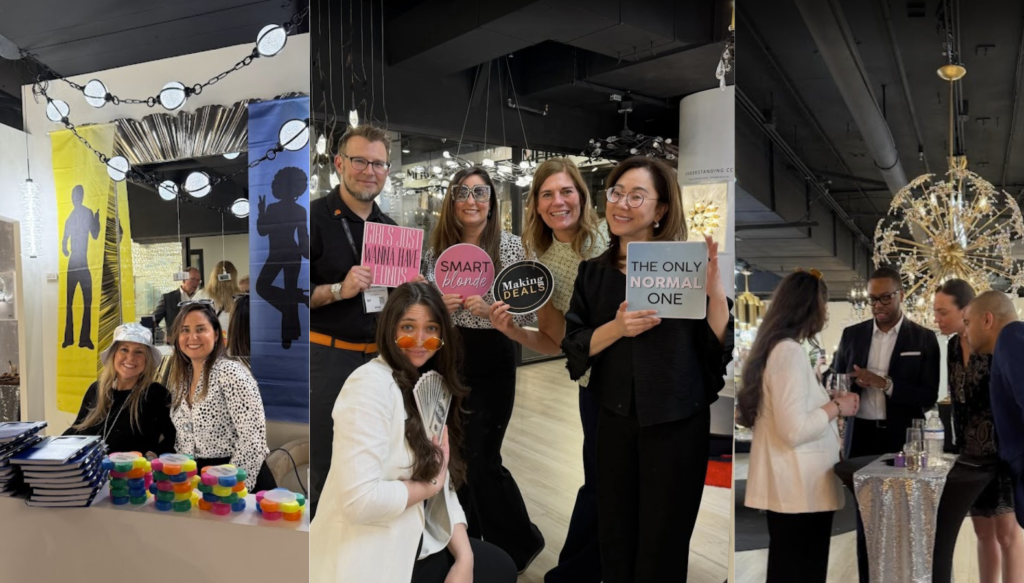
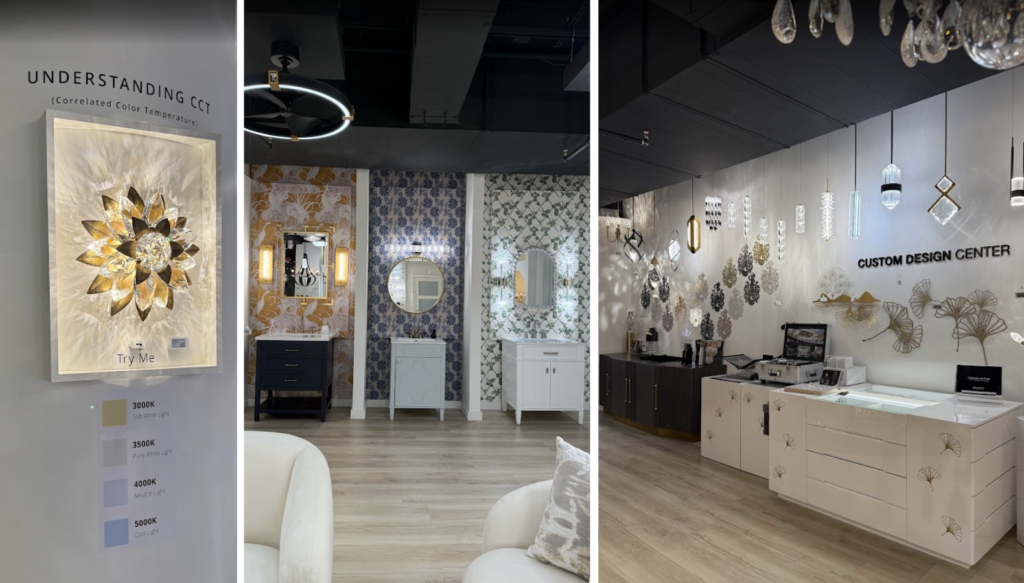
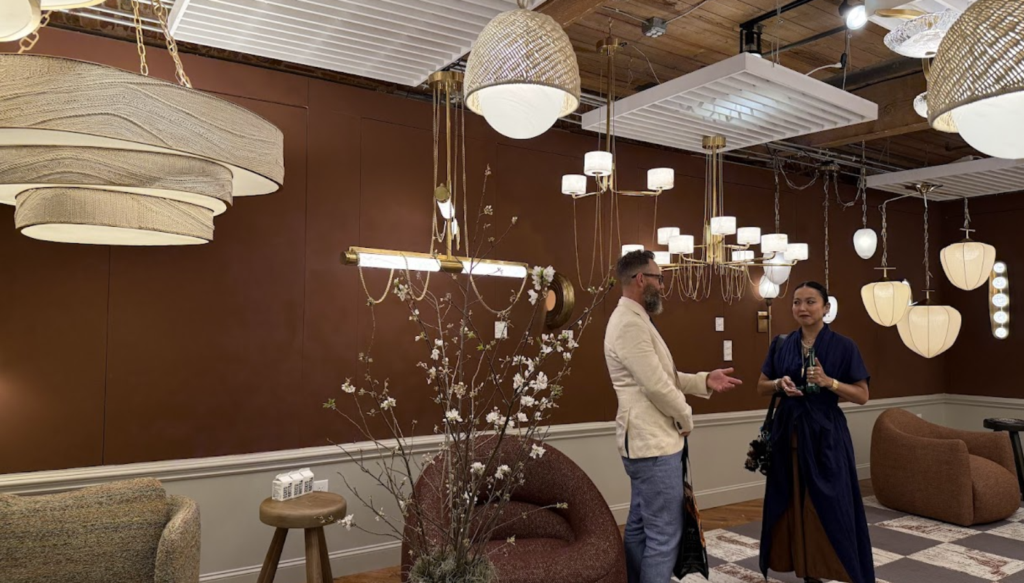
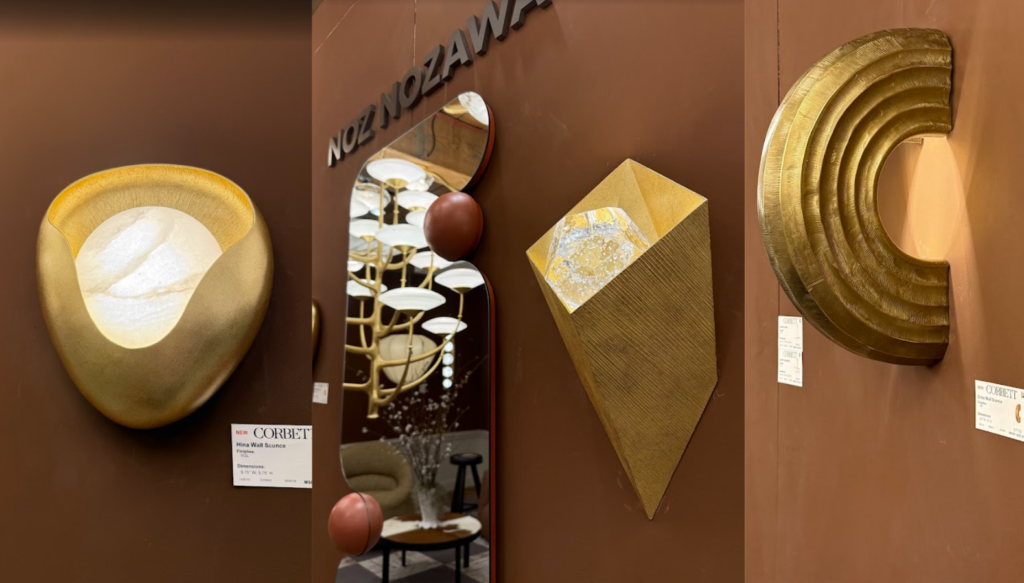
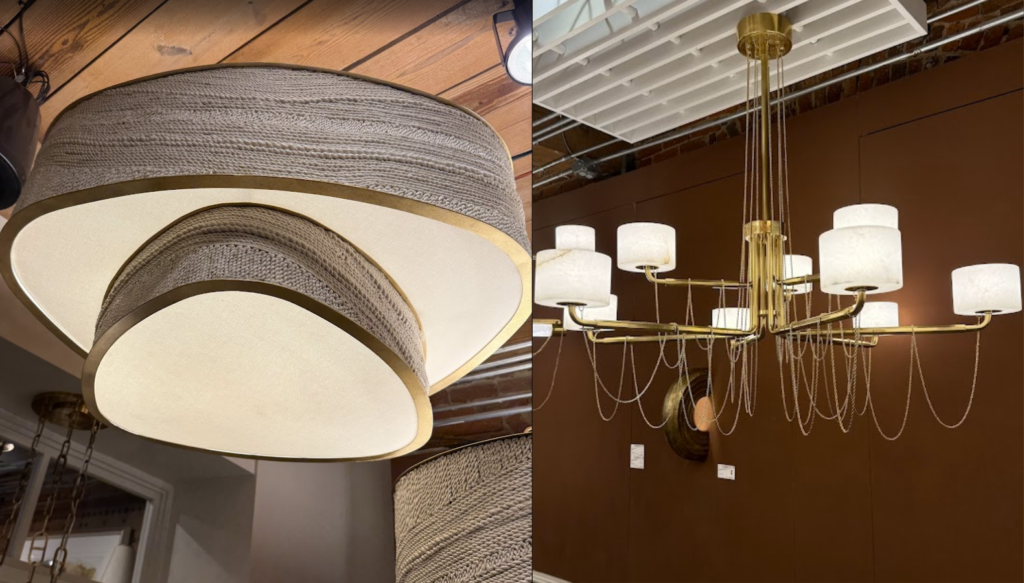
Here is a sampling of some of the designs that were unveiled at High Point Market.
Related articles
4 Trends Shaping Lighting Design

