By Julie A. Palm Generation Z may be digital natives, constantly connected to their electronic…
Read More →
By Julie A. Palm Generation Z may be digital natives, constantly connected to their electronic…
Read More →
Surprise! More than half of “mature singles” and “couples” said they prefer to rent —…
Read More →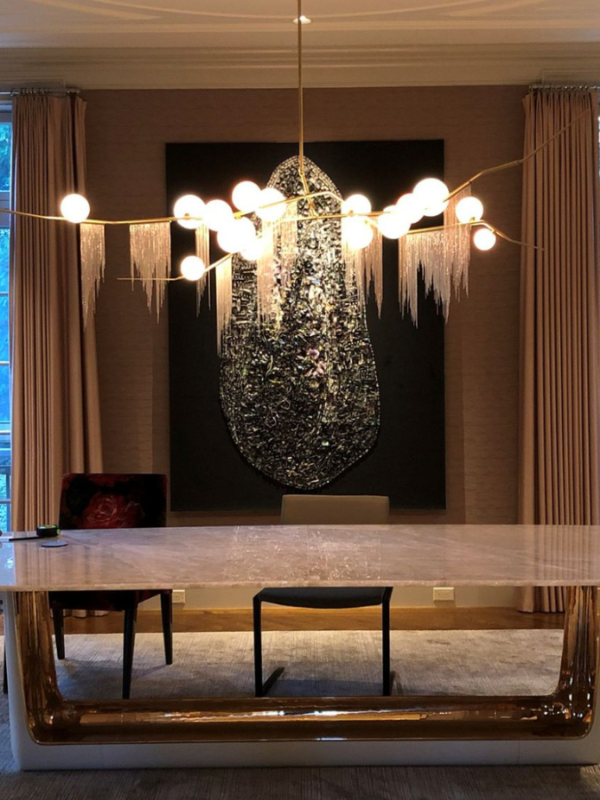
The founder of Conceptual Lighting believes most people under light or over light their homes…
Read More →
Maxim Group and Kichler are the two lighting brands featured at the reimagined Design Hub…
Read More →The company just announced an “organizational realignment” that it hopes will provide a more seamless customer experience, drive growth and capture market share.
On July 30, home improvement retailer The Home Depot announced what the company described as “leadership portfolio changes” designed to “accelerate innovation and capture greater share of a large and fragmented total addressable market worth $1.2 trillion.”
In the statement released by the home improvement giant, Ted Decker, chair, president, and CEO, said, “…Our focus is clear: drive our core and culture, deliver a frictionless interconnected experience and win the Pro. We are aligning our organization to further support this strategy, enable smarter, faster innovation and create a more seamless customer experience for DIY and Pro customers.”
The key words here are “win the Pro” which means to grow its customer base of contractors, builders and remodelers, who are key drivers of repeat business.
The corporate announcement outlined the following four initiatives.
1. Core and Culture: Unified core and private brands merchandising. To enable better product alignment, the company has transitioned its private label merchants into its core merchandising organization. Combining product merchandising allows the company to deliver greater innovation to market even faster.
2. Interconnected Experience: Integrated offerings. Increasingly, credit and loyalty programs have become a critical part of the interconnected shopping experience. The Home Depot is aligning its customer experience, online, financial services and loyalty teams into a unified interconnected organization. By combining these capabilities, the company can offer customers more personalized, seamless financial offers and shopping experiences better-tailored to their needs – building increased loyalty and customer satisfaction no matter how they choose to shop.
3. Win the Pro: The office of pro acceleration – The pro customer represents an approximately $700 billion total addressable market opportunity. Today, almost every type of pro shops at The Home Depot, whether they are general contractors, specialty trades or MRO managers maintaining multi-family properties. The company has built an unmatched set of capabilities through organic investments and strategic acquisitions. …. To advance its enterprise-wide pro growth strategy, The Home Depot is evolving its office of integration into the office of pro acceleration. This office will spearhead coordination across Home Depot Pro and the recently acquired HD Supply, SRS and Construction Resources businesses to further develop shared enterprise capabilities including enhanced customer relationship management, a shared product catalog and optimized fulfillment across the board. Ultimately, this office will help ensure every part of the business works together seamlessly on behalf of the pro.
4. Technology Alignment Powering Growth: Technology innovation supports all three pillars of The Home Depot’s growth strategy. Earlier this year, the company combined AI, data science, product management, user experience and technology into a unified organization. As part of this continued alignment, the store, supply chain and pro product technology teams will move into [one] organization, enabling the company to bring new technology to market faster.
The bottom line
Lighting showrooms don’t have the financial strength of a home improvement company like The Home Depot, however there are some takeaways from this recent announcement. For example, being aware of the pivots that competitors are making can alert showrooms to changes in the market overall.
Home Depot’s reinvigorated emphasis on wooing trade business tracks with the slowdown in single-family home construction, which – according to numerous homebuilding reports – is not expected to change course anytime soon. Last year, pundits almost unanimously predicted mid-2026 as the turnaround point — but the unexpected conflict in Iran threw those predictions off-course as more economic uncertainty and the closure of a major shipping route followed.
With a stagnant economy and homebuying reluctance lasting longer than expected, builders are no longer able to extend the buy-downs and incentives that moved the needle in 2025. As a result, homeowners are staying put. More consumers are opting for remodeling over moving — and that has subsequently boosted business for contractors and remodelers.
At the same time, consumers who would have been in the market for a first home are now exploring condo and townhouse purchases as a more attainable goal over a single-family starter home. That change – along with municipal and federal incentives to create more affordable housing – has led to an uptick in business for multifamily housing developers, builders, and suppliers.
Also of particular note is Home Depot’s renewed interest in private label product (which can’t be shopped around for comparison) and the chain’s emphasis on utilizing digital technology and AI to streamline operations, reduce costs where it can and increase the ability to deliver faster service to customers.
Independent stores do not have the arsenal of what Home Depot refers to as its “end-to-end pro ecosystem” which includes 2,360 stores, 1,300 branches, 325 customer-facing warehouses and a fleet of approximately 16,000 delivery assets.
Where independent showrooms can compete is on expertise. There have been avenues for lighting stores to have private or white label product before. For example, domestic lighting manufacturer American Brass & Crystal created a line for the Capitol Lighting chain some time ago and Lighting One offers private label products for its membership through its partnership with Savoy House.
Showrooms should consider taking a cue from the Home Depot playbook and continue to explore opportunities for private/white label product and evaluate where digital tools can help streamline the customer experience — whether that means a faster response time for website inquiries or providing more accurate inventory levels and delivery estimates.
Related articles
Home Depot & Lowe’s Are Banking on Remodeling in 2026 — You Should, Too
The Home Depot Increases Reach Into Contractor Market With Acquisition

