The multi-month program provides education, tips, and support for independent retailers. Dallas Market Center (DMC)…
Read More →
The multi-month program provides education, tips, and support for independent retailers. Dallas Market Center (DMC)…
Read More →
The Lighting Group in Washington State and Boston Light Source will now represent Access Lighting…
Read More →
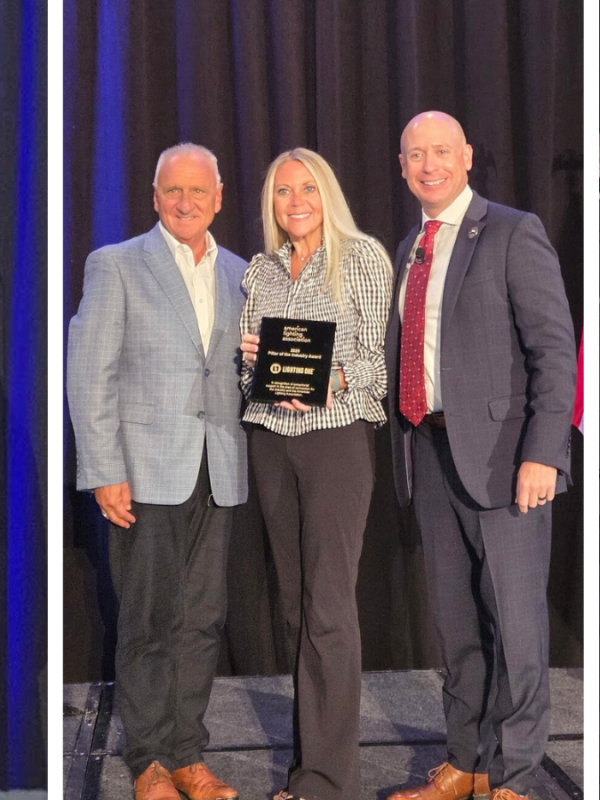
At the 2026 ALA Conference at La Paloma Resort & Spa in Tucson, three members…
Read More →The president and principal interior designer of Toronto-based Jennifer Worts Design likes soft, warm light but has strong opinions about lighting design trends.
By Julie A. Palm
Interior designer Jennifer Worts believes residential lighting should be timeless, not trendy, and she wants her clients to invest in this foundational part of home design.
I talked with her about how her eponymous Toronto-based firm, Jennifer Worts Design, approaches lighting design, trends she appreciates — and things that she’s not so fond of.
Worts’ firm specializes in ground-up, new residential construction, including lighting plans, “all the way through to the placemats and flatware,” she says.
“No two projects are ever the same, whether it’s seaside in Maryland or New York City or LA, Florida, Toronto or Muskoka (Ontario), and we love that so much,” she says. “Everything is always just a little a bit different and that keeps it fun for the team.”
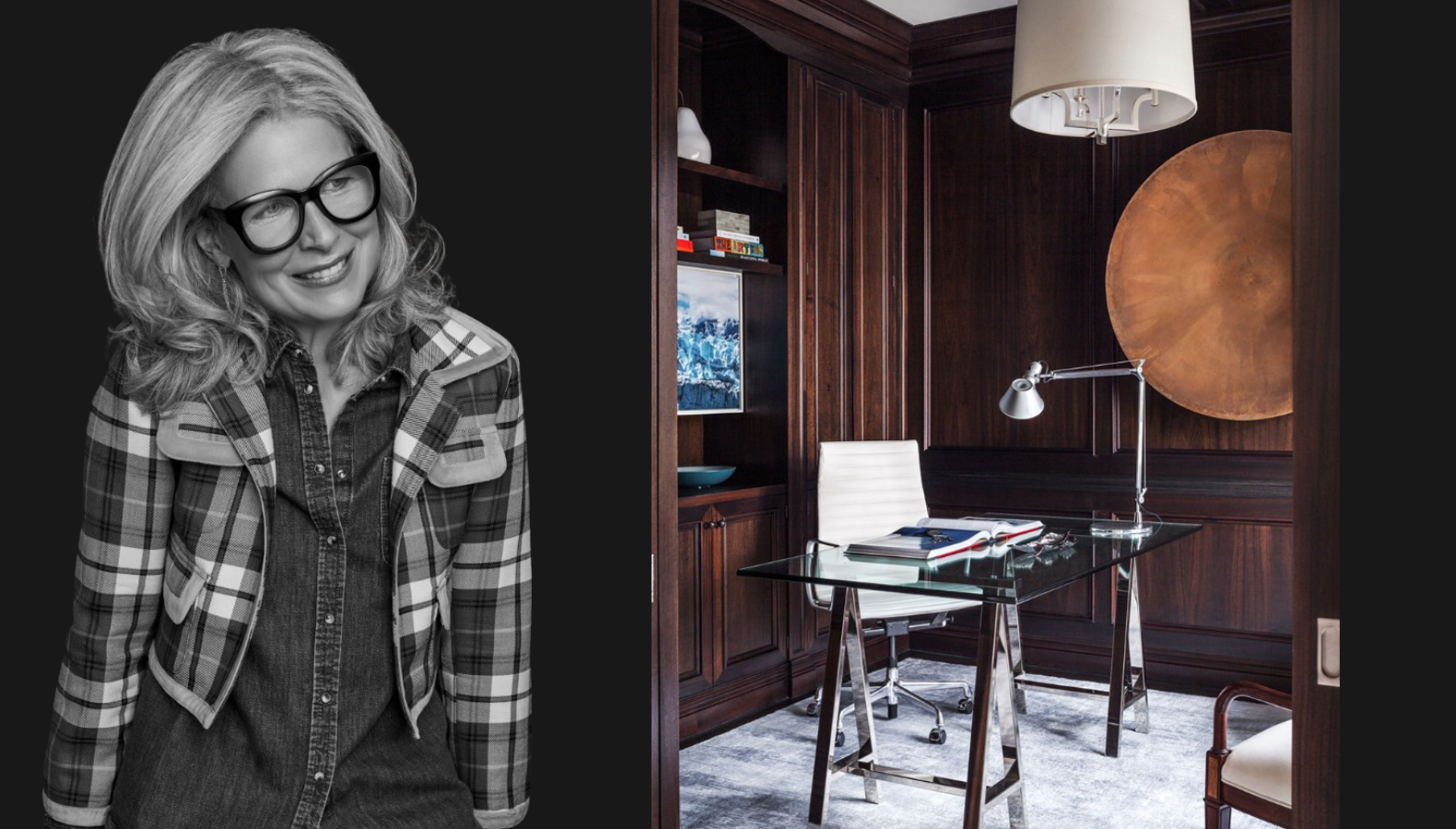
Coming in at the start of a project allows Worts and her firm to have a lot of control over how spaces are lit and the team often collaborates closely with landscape architects and interior lighting designers.
“I really do embrace hiring lighting consultants,” she says. “We can do what we do well but (when working with lighting designers) we are constantly learning about great new products and new ways of doing things. Having all sorts of eyes on (lighting) early on gives the best results.”
Making an investment
Lighting budgets vary by project but, Worts says, 3% to 5% of the total construction budget is typical for her clients.
“Lighting is so important,” she says. “I think that the supporting lighting (i.e. recessed lighting) needs to disappear. … You want to make it look effortless, almost like there is no lighting.”
But she also wants beautiful fixtures and lamps, and she is a fan of The Urban Electric Co. “We love Urban Electric for about a million reasons,” she says. “They execute on every single component and touring that factory is just mind-blowing. The time and the effort that is spent is just incredible and the quality (of their fixtures) is, honestly, just amazing.”
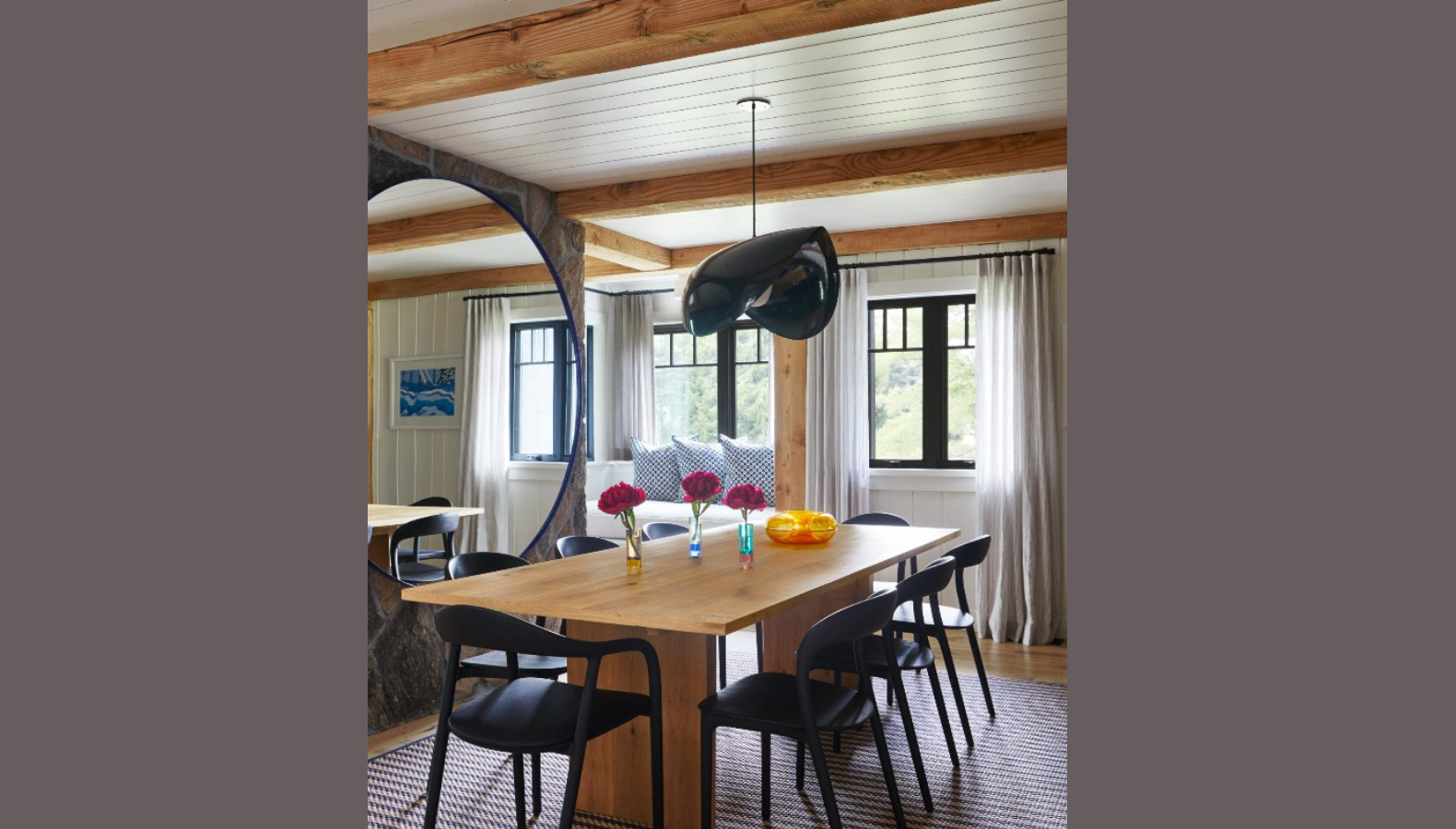
She also favors Apparatus and Noguchi. “Isamu Noguchi’s pieces are art. What I love is that they work in a cabin, in a city. They work in a transitional home. They work in contemporary. They’re timeless … That’s a big thing for us. We’re always designing with an eye for longevity. We don’t want you to look at the light fixture in two or five years and say, ‘Wow, that was such a 2026 trend.’ That’s just not our vibe. These are investment pieces.”
“We design lighting, too,” Worts adds. “That’s something we all love doing here, whether it’s a light fixture — like a ceiling fixture or picture lighting — and we just can’t find the right thing. We do a lot of custom design work here overall for furniture, millwork, hardware, all sorts of things. So, lighting falls into that bucket.”
For custom lighting, Worts says, “we have local artisans that we adore working with and we also have some pretty amazing lighting designers in Canada, like Matthew McCormick.”
Worts and her team like to scour antiques and vintage stores for objects, like large ceramics, that can be wired and outfitted with custom shades to create a unique piece. In general, she’s a big fan of custom shades.
“We’ll buy a lamp base that we really like and then we’ll take the shade off and have a completely new shade made, whether it’s a new shape, oversized, undersized, covering it in fabric or painting it a high gloss or just creating something that feels a bit more bespoke,” she says.
Hots and nots
Like most designers, Worts’ lighting choices are dictated by the project and the clients’ needs and preferences, but she has strong opinions about what works and what doesn’t work in most spaces.
For instance, she’s not a fan of bulb-forward fixtures.
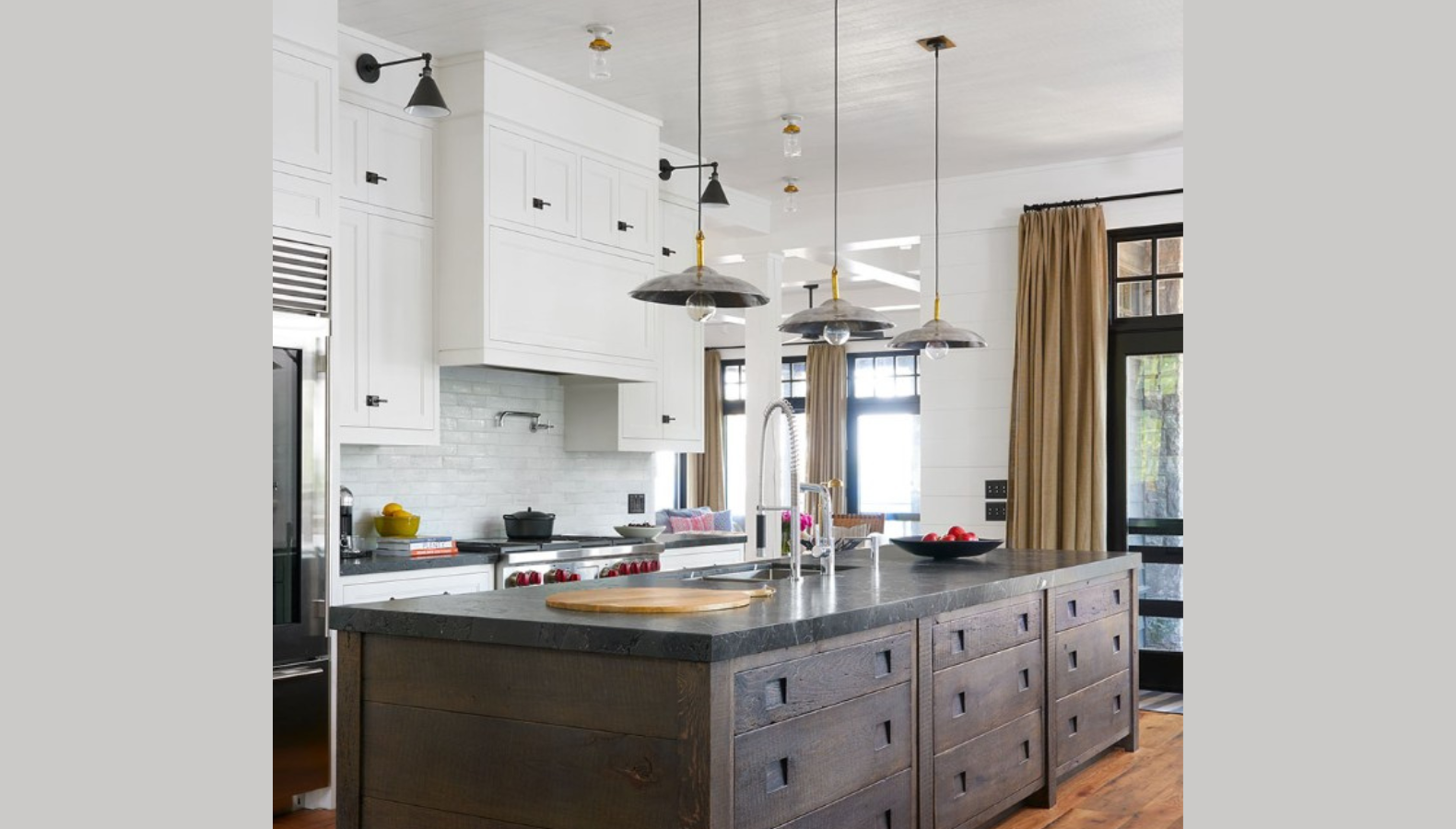
“I’m a throwback here, but I love not seeing lightbulbs,” she says. “I don’t like big, glary things.” Instead, she favors “large, frosted balls” from brands like Cedar & Moss and Schoolhouse. “That’s the most exposed lighting I’m probably a fan of at this point. I really do like indirect lighting, low lighting. … I just have this response to walking into a space and being hit by tons and tons of light. I just feel anxious and not comfortable in the space.”
Worts also avoids clear glass fixtures. “They look gorgeous when they’re installed,” she says. “But I always caution clients, ‘You’re going to have to get up there, or your staff is going to have to get up there, to keep it clean and that’s a hard task.’ Because there’s nothing worse than having clear, beautiful globe lighting and seeing it’s covered in a layer of dust that now is baking on.”
She adds, “There’s nothing like a beautiful glass hurricane. I still absolutely love them. They’re timeless. I love seeing those in halls … but you need to keep them clean — take them down and give them a good vinegar and hot water wash.”
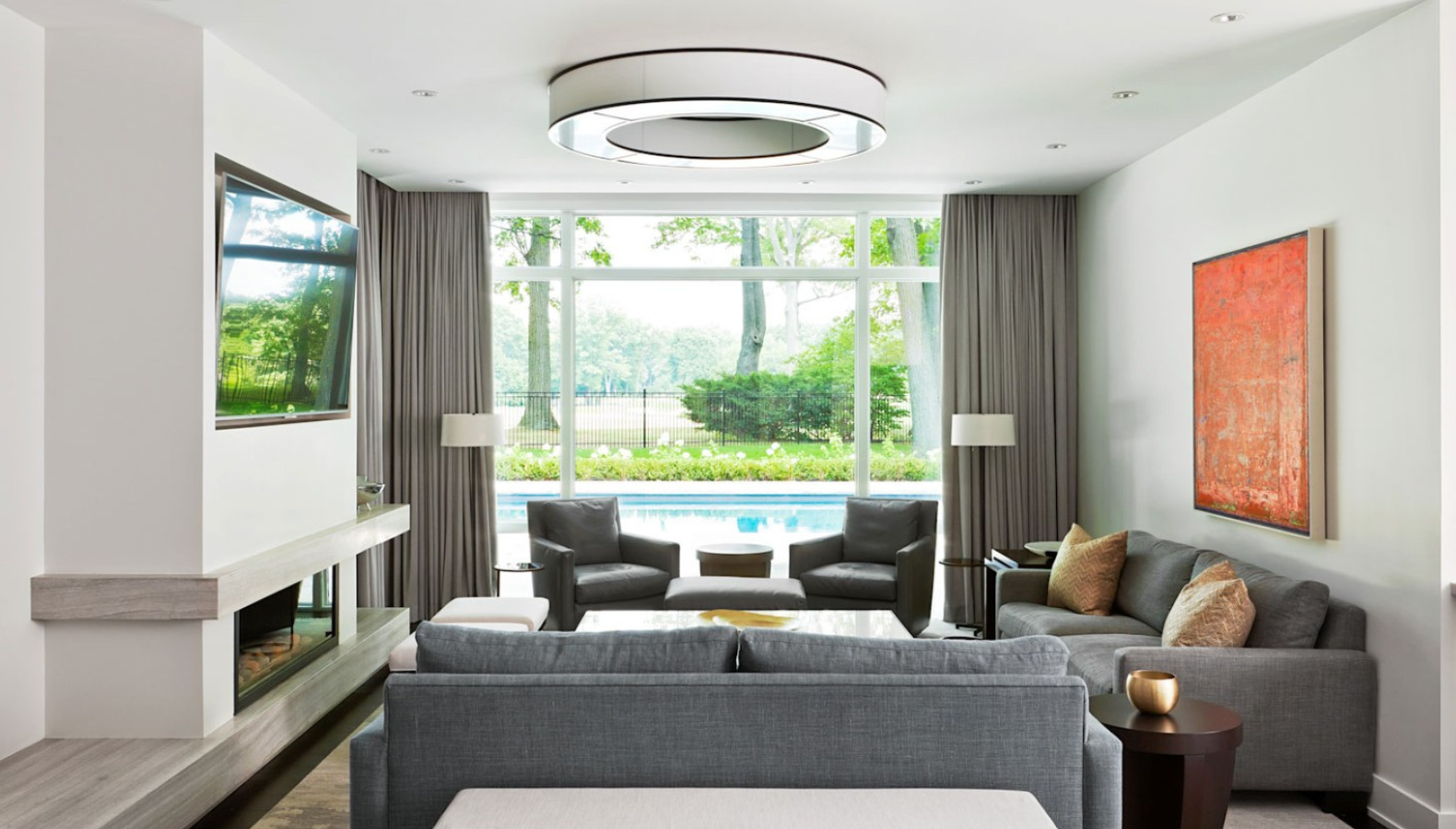
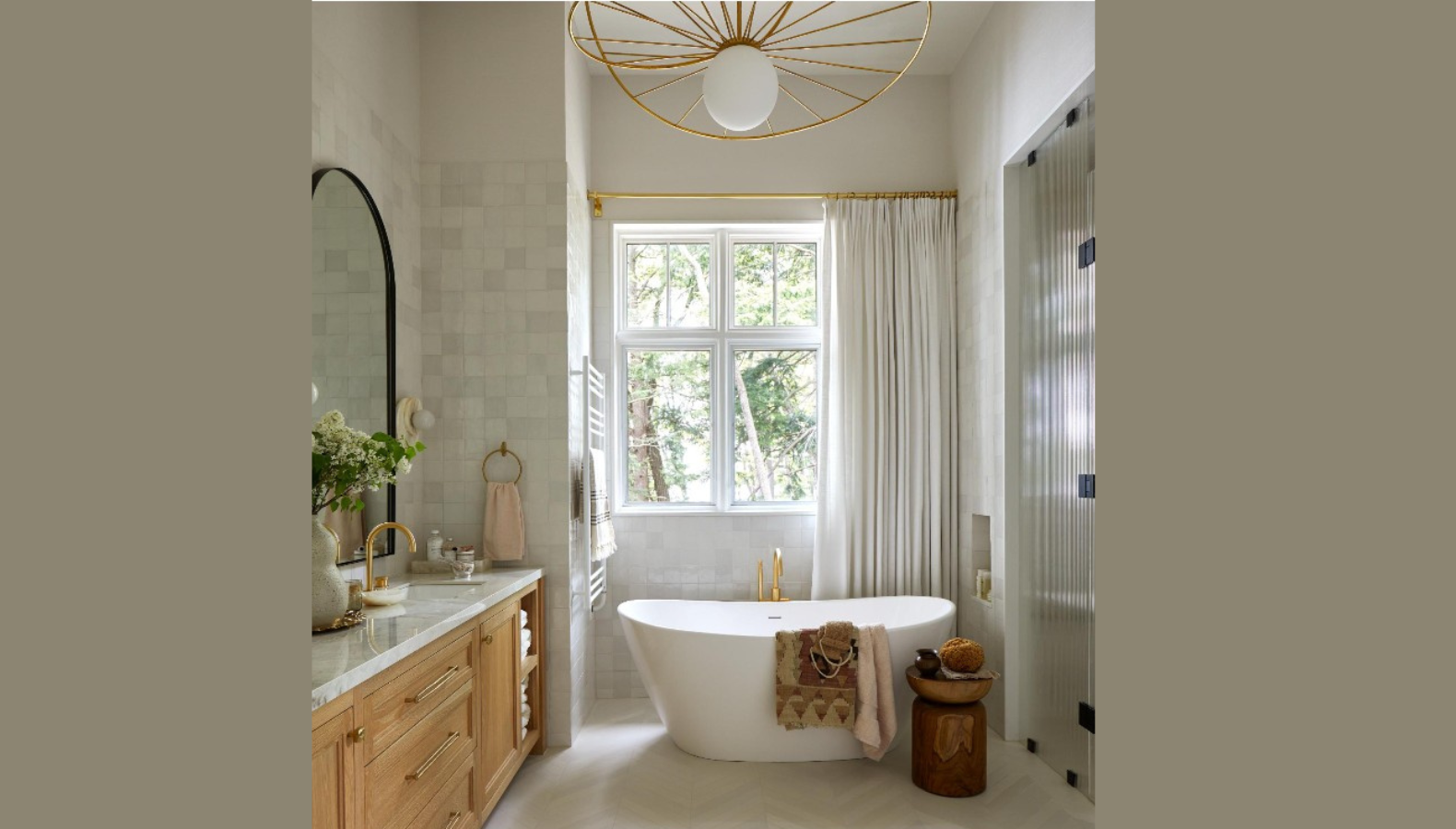
Worts is drawn to metal lighting fixtures: “I love the metal finishes that, the more you handle them, the more they get sort of a gnarly vibe. I love bronze fixtures. I love brass. But I’m all over the place,” she says. “I’m a chameleon. It depends on the space that we’re doing.”
Her firm’s rule for lighting temperature is the warm white 2700K and she gets frustrated by the fact that many recessed lighting installations “skew too blue.”
“You know how you walk through neighborhoods at night and you can see that warm ambient glow coming from a house. I just immediately feel relaxed looking at that,” she says. “Then, at the next house, you’ve got some brilliant blue light coming from their porch or front hall and you just want to go in and save them.”
In control
Most her firm’s projects incorporate lighting control systems, which, she says, gratefully, “are becoming much, much more intuitive,” allowing people to create lighting schemes and control lighting even when not home.
“You can change how the whole space feels by programming the lighting. … I think it’s really important because (lighting) affects the mood of everybody who lives in the space,” she says. “Like in the gym, for instance, you want that flex to high energy: ‘Oh, my God! I just dragged myself out of bed for this so let’s crank it and turn the music on.’ Or you might be doing something quiet, like yoga, and you’re trying to chill down so you need softer lighting. Being able to play with high energy and low energy (lighting) applies to kitchens, too. You want the high energy when you’re doing meal prep, but you want to dim it down in the evening.”
But Worts’ noticing an interesting countertrend, especially in second and vacation homes, where clients want less tech in their lives. “For some clients, it’s one more layer and they’re saying, ‘No, we’re building this retreat to escape all of that. … We don’t want anything too high-tech.’ So, we’ve got some very heavy, tech-forward clients and then clients who may be tech forward, but they definitely don’t want all that in their second home,” she explains. “Some are just burned out and want to go back to basics.”
Related articles
